
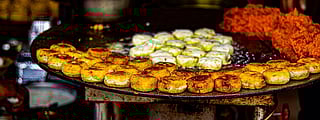
Dehradun’s food culture is built on small counters, family-run stalls, and bakeries that have served generations of Doonites. Long before food apps and café culture, these places defined evening snacks, Sunday breakfasts, and school-time treats. Here’s a curated list of true old-school, historic food joints in Dehradun that are still open and loved today.

Probably the most iconic bun tikki stall in Dehradun, this humble counter has been serving its crispy aloo patties in soft buns with chutneys since around 1989. It’s a classic local institution that generations recognize. The simple setup, quick service, and unchanged taste are what keep loyal customers coming back — including notable personalities with Dehradun roots.
A true heritage breakfast spot known for hot puris, chole, and aloo sabzi. Sunday mornings here are a tradition for many families. The stall reflects old Dehradun’s charm — simple, crowded, and focused purely on taste rather than presentation.
A nearly 40-year-old samosa stall where the samosas are still handmade in the traditional style. Known for their distinct filling — sometimes including paneer — this spot continues to be run by the founding family, now into the third generation.
One of Dehradun’s most legendary bakeries, established in the 1950s, Ellora’s is famous for its plum cakes, butter biscuits, rusks, “melting moments,” sandwiches, patties, and classic cold coffee. It remains a landmark on Rajpur Road and has thousands of reviews and photos online — a true institution in Doon’s food history.
An iconic pakora stall often regarded as one of the city’s oldest. Known for crispy bread pakoras, paneer pakoras, and mixed fritters, this roadside joint especially comes alive during monsoons and winter evenings. For many locals, a visit here is tied to childhood memories and evening strolls on Rajpur Road.
These places are more than just food joints — they are living pieces of Dehradun’s history. From bun tikki counters and poori-chole breakfasts to old-world bakeries and pakora stalls, they represent a time when taste, tradition, and community mattered more than décor and branding.
